A tote is a large, open-top bag with parallel handles that can be tossed over your shoulder. It’s built for utility but has become a style statement and sustainability talking point. Whether you want a leather tote for work or a canvas tote for weekend runs, choosing the right one saves time, money, and wardrobe friction.
What is a Tote Bag
A tote bag is a large, open-top bag with parallel handles that extend from the sides of the main compartment. It is primarily designed for carrying everyday essentials in a simple, functional, and accessible way. The word “tote” itself means to carry, which directly reflects its practical purpose. A tote is the kind of bag that quietly does a lot of work: groceries one day, laptop the next, gym gear after that. This post explains what a tote really is, which types suit which routines, how to pick one that lasts, and smart ways to use and care for yours. Expect practical advice, quick data points, brand notes (Michael Kors, Zara, Gucci and more), and answers to the questions people ask most.
Key Characteristics
• Open and Spacious Design
Most tote bags feature a wide, single main compartment without heavy internal structuring. This allows easy access and makes them ideal for carrying bulky or multiple items at once.
• Parallel Shoulder Handles
They typically have two strong handles long enough to be carried by hand or comfortably worn over the shoulder. Handle strength is important for supporting heavier loads.
• Variety of Materials
Common materials include canvas, cotton, jute, nylon, polyester, and leather. The durability, appearance, cost, and environmental impact vary significantly depending on the fabric and construction quality.
• Versatile Everyday Use
Tote bags are widely used for grocery shopping, office documents, college books, gym wear, beach essentials, and promotional merchandise. Their adaptability makes them a staple in both casual and professional settings.
• Available in Multiple Styles
Modern totes come in minimalist, luxury, eco-friendly, and designer formats. Some include zippers, magnetic closures, inner pockets, or reinforced bases for better organization and security.
Different types of totes
Totes exist in many materials, shapes, and price brackets. Here are the main types, the everyday problem each solves, and the key characteristics to check before you buy.
Canvas / cotton totes
- Problem solved: lightweight, affordable carry for shopping, events, quick errands.
- Key features: breathability, washable fabric, often promotional prints or paintings (tote bag painting ideas).
- Use case: errands, farmers’ markets, casual day packs.
Leather totes
- Problem solved: professional look + durable daily work bag.
- Key features: structured base, internal pockets, ability to hold laptops, ages well with care.
- Use case: office, client meetings, travel where style matters.
Designer totes
- Problem solved: fashion-forward statement and quality construction.
- Key features: branded hardware, premium leather or treated canvas, warranty/service options.
- Use case: when brand, resale value, or craftsmanship are priorities.
Zippered totes
- Problem solved: security and weatherproofing for daily commuters.
- Key features: top-zip or internal zip compartments, reinforced handles.
- Use case: commuting, travel, crowded public places.
Men’s totes
- Problem solved: masculine-styled carry options that hold work essentials without a backpack.
- Key features: muted colors, thicker straps, laptop sleeves.
- Use case: office-to-evening transitions, meetings, light travel.
Sport/brand-specific totes
- Problem solved: brand-aligned casual style, affordable seasonal options.
- Key features: logo placement, trend-driven colors, limited lifecycles.
- Use case: trend outfits, brand-loyal purchases.
Benefits of owning a tote
- Versatility — one bag, many jobs.
A tote can serve as a grocery bag, work bag, or day-trip carry — reducing the need for multiple bags. - Capacity without bulk.
Many totes fit laptops, notebooks, water bottles and a change of clothes while remaining lighter than structured briefcases. - Eco-friendly alternative to single-use plastics.
Reusable totes reduce disposable-bag waste when used repeatedly; reusable-bag markets are expanding as regulations and consumer preferences shift. - Style flexibility — casual to semi-formal.
From a painted white tote bag to a pebbled leather business tote, you can match the bag to the outfit and occasion. - Cost-effectiveness and longevity (when chosen well).
A well-made leather tote or reinforced cotton tote lasts years, making the per-use cost low compared with cheaper, short-lived alternatives. - Easy customization (printing, painting, patches).
Canvas totes are ideal for DIY art or brand promotions — good for events, crafts, and small-business merchandising.
Global Statics
- The global reusable grocery tote market was valued at roughly US$2.1 billion in 2024 and is projected to grow significantly in the coming decade.
- Industry forecasts show the broader tote bags market expanding: one report projects growth from about US$2.38 billion in 2025 to over US$3.37 billion by 2032 (driven by sustainability trends and everyday utility).
When a tote becomes a problem:
- Wear-and-tear and early replacement. Cheap fabric or thin straps lead to tearing, wasted money, and more consumption. A fashion critique of “forever totes” warns that many cotton totes are used only a few times and then discarded, negating sustainability claims.
- Security risks. Open-top totes without zippers make theft or loss on public transport more likely.
- False sustainability claims. Marketing can overstate eco credentials; some cotton totes have higher lifecycle impacts unless they’re used many times.
- A 2024 analysis of tote usage and sustainability indicates that many cotton totes must be used dozens of times to offset production emissions — misuse and underuse
- undermine their environmental benefit.
- The overall handbag market (a broader category that includes totes) was estimated at about US$56.5 billion in 2024, underlining the economic scale and the stakes of design, supply chain, and consumer choice.
Materials, construction, and what your usage says about the right tote
Cotton / canvas
- Lightweight and easy to decorate; washable; often cheapest. But conventional cotton has a high water and pesticide footprint unless it’s organic. Data shows lifecycle claims for cotton totes vary widely.
Leather (including veg-tanned, pebble grain)
- Durable and repairable; looks better with age when maintained. Expect higher upfront cost but longer life. Designer leather totes (e.g., Michael Kors tote bag, Coach tote) typically offer structured interiors and service options.
Recycled polyester / upcycled textiles
- Often water-resistant, lighter than leather, and increasingly common in brand lines marketed as eco. Check for transparent sourcing claims.
Hardware and stitching
- Look for reinforced handles, box-stitching where straps meet the bag, and a robust base — these matter more than the label for daily heavy use.
Three data points for this section (minimum 3):
- The handbag market’s size and growth reflect increasing demand for diverse materials and price points — the handbag market was estimated at ~US$56.5B in 2024.
- Specialized tote market forecasts put tote-specific revenues in the billion-dollar range, demonstrating strong consumer demand for reusable and fashion totes alike.
- Reports on reusable bag adoption note that over 80% usage rates are reported in some regions for households that have switched to reusable bags, but consistent reuse varies widely.
Insight box
- Most people end up using 2–3 different totes: one for work (structured leather), one casual/canvas for short errands, and one foldable tote for shopping.
- Zippered totes reduce stress during commutes — worth the small extra cost for daily riders.
- Designer totes (MK tote bag, Gucci tote) often have better resale value; cheaper trend totes are frequently seasonal.
Pros of Tote Bags
- Large capacity with low weight
Tote bags can carry many items without adding much extra weight. This makes them practical for daily use, shopping, or work essentials. - Highly customizable
They are easy to personalize with prints, artwork, patches, or branding. This makes totes popular for fashion, promotions, and creative expression. - Durable material options
Totes made from leather or high-quality canvas can last for years. With proper care, they age well and remain functional. - Cost-effective for the size
Compared to structured handbags, totes usually cost less for the same storage space. This offers better value for money.
Cons of Tote Bags
- Security concerns
Most totes have open tops or weak closures. This makes them less secure in crowded or public places. - Low-quality versions create waste
Cheap totes wear out quickly and are often discarded after minimal use. This increases landfill waste. - Misleading eco-friendly claims
Not all “eco” totes are truly sustainable. Different materials have very different environmental impacts, despite similar marketing claims.
How to choose the right tote in 7 steps (quick checklist)
- Define your primary use (work, shopping, travel).
- Match material to use (leather for office; cotton for art, markets).
- Check strap attachment and base reinforcement.
- Prefer a zippered or top-closure option for commuting.
- Look for internal pockets or removable organizers.
- Consider weight when empty — heavy leather can be burdensome.
- Read return/warranty policy for designer purchases (Michael Kors, Coach).
Tote care: simple rules that add years to your bag
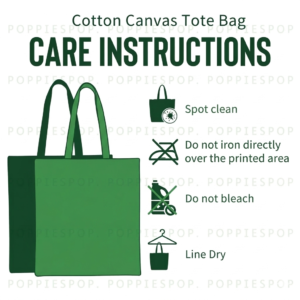
- Canvas: spot-clean or gentle machine wash (check label). Air dry flat to avoid warping.
- Leather: clean with a damp cloth, condition 2–3 times a year, keep away from prolonged rain.
- Zippers/metal: lubricate with a small dab of paraffin or wax if sticky.
- Storage: keep in dust bag or breathable cover; stuff with paper to retain shape.
People Also Ask
Q: What does “tote” mean?
A: A tote is a large, usually unfastened bag with two parallel handles meant for carrying by hand or over the shoulder; modern totes come in canvas, leather, and synthetic materials for everyday use.
Q: Are leather totes worth the price?
A: If you want longevity, structure, and a professional look, leather totes are worth the investment because they repair well and develop patina; calculate per-use cost over years rather than initial price.
Q: Which tote is best for a laptop?
A: Choose a structured tote with a padded laptop sleeve or internal compartment, reinforced handles, and preferably a zip closure for security on commutes.
Q: Can I wash my canvas tote?
A: Most canvas totes can be hand-washed or machine-washed on a gentle cycle; always check the care label and air-dry to avoid shrinking.
Q: How many times must I use a tote to make it eco-friendly?
A: It depends on material and production footprint. Some analyses suggest cotton totes need dozens of uses to offset their production emissions; consistent reuse is critical.
FAQs
Q: What’s the difference between a tote and a shopper bag?
A: “Shopper” is often used interchangeably with tote but typically refers to lightweight bags meant for groceries; totes span casual to high-fashion categories.
Q: Is a zip-top tote better than open-top?
A: Zip-tops add security at the cost of slightly reduced accessibility; for commuting they’re usually the smarter choice.
Q: Should men buy a tote or a briefcase?
A: Totes are a flexible alternative for men who prefer less formal carry; choose muted colors and structured designs for corporate settings.
Q: How do designer totes compare to high-street versions?
A: Designer totes (Michael Kors, Gucci, Coach) generally offer superior materials and construction and may retain resale value, while high-street options are trend-driven and lower-priced.
Q: Can I customize a tote with paint?
A: Yes — canvas and cotton are ideal for tote bag painting ideas; use fabric paints and sealers for washability.
Buying guide
- Michael Kors tote bag / MK tote bag: Durable, structured leather options that work well for office use; often have internal organization.
- Zara tote bag: Trend-forward, seasonally updated, budget-friendly options.
- Gucci tote bag: Luxury statement pieces with premium materials and higher resale value.
- Caprese tote bags: Practical mid-market options aimed at daily users.
- Coach tote: Blend of classic design and functional interiors; many top-zip styles.
- Puma tote bag: Sportier, casual designs suitable for gym or streetwear.
- White tote bag: Stylish but requires more maintenance; ideal for lighter, low-dirt uses.
When a tote is the right call
If you want a single bag that can handle multiple roles shopping, laptop, light travel, or casual-fashion a tote is a strong, practical choice. Prioritize material and construction over logo; a quality leather tote or well-made canvas carries longer and reduces waste. Remember that sustainability is about consistent reuse and honest manufacture, not just the label.
Conclusion
Buy one tote that fits your daily essentials and use it as your “default” you’ll save money, reduce decision fatigue, and get a better sense of what features actually matter to you. Over time, you’ll know whether you need a leather work tote, a zippered commuter tote, or a stack of painted canvas totes for errands and events.
