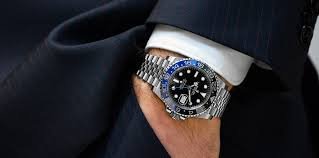
Fashion watches are chic accessories that serve as both fashion statements and timepieces. They come in a multitude of designs, ranging from sleek and minimalist to bold and ornate. With an array of colors and materials, there’s a fashion watch to match any style and occasion. These trendy timepieces add a touch of personality to your outfit, effortlessly elevating your look. Fashion watches allow you to express your individuality and showcase your unique taste. Whether you prefer classic elegance or contemporary flair, there’s a watch that suits your aesthetic. From casual everyday wear to formal events, fashion watches are versatile and adaptable. They blend seamlessly with any ensemble, enhancing your overall appearance. Fashion watches offer the perfect blend of style and functionality, making them essential accessories for any wardrobe. So, embrace the trend and adorn your wrist with a fashionable watch today!
Table of contents
- Evolution of fashion watches
- History of fashion watches
- Different Styles of Fashion Watches
- Choosing the Right Fashion Watch for You
- Fashion Watch Trends
- Accessories in Fashion Watches
- Legacy in Fashion Watches
Fashion-Watches
Evolution of Fashion Watches
Early Mechanical Watches
In the early days, watches were purely mechanical, using intricate gears and springs to keep time. These watches were often handmade, showcasing skilled craftsmanship. They were considered luxury items and were worn mainly by the wealthy. Over time, these mechanical watches became more accurate and reliable, but they required regular winding. Despite the maintenance, they were cherished for their beauty and the artistry involved in their creation.
Quartz Revolution
The 1970s brought a major change with the introduction of quartz watches. Unlike mechanical watches, quartz watches used a battery and a tiny piece of quartz crystal to keep time. This made them much more accurate and affordable. The quartz revolution made watches accessible to everyone, not just the wealthy. This era saw a huge variety of designs, from practical everyday watches to flashy fashion statements, reflecting the diverse tastes of consumers.
Digital Age and Smartwatches
With the advent of digital technology, watches evolved further. Digital watches, introduced in the 1980s, featured LED or LCD displays and offered new functions like calculators and alarms. The 21st century saw the rise of smartwatches, which are like tiny computers on your wrist. They can track fitness, show notifications, and even make calls. Brands like Apple and Samsung have turned watches into versatile gadgets that go beyond just telling time.
Fusion of Tradition and Innovation
Today’s fashion watches blend the best of both worlds: traditional craftsmanship and modern technology. Many luxury brands still create stunning mechanical watches, often incorporating new materials like ceramics and carbon fiber. At the same time, smartwatches and hybrid models offer tech features in stylish designs. This fusion allows consumers to enjoy the elegance of classic watchmaking while benefiting from the conveniences of modern innovations. The result is a diverse market where there’s something for everyone, from tech enthusiasts to traditional watch lovers.
History Of Fashion Watches
Early Timekeeping Innovations:
The history of fashion watches dates back to ancient civilizations, where people used various methods to measure time, such as sundials and water clocks. The concept of portable timepieces emerged in the 16th century with the invention of pocket watches, which were worn as accessories by the wealthy elite. These early timepieces were often intricate and ornate, crafted from precious metals and adorned with gemstones, reflecting the status and wealth of their owners. However, they were primarily functional rather than fashionable, with accuracy being the primary concern.
The Rise of Wristwatches:
The transition from pocket watches to wristwatches began in the late 19th century, driven by practicality and convenience. Soldiers in the military started wearing wristwatches during wartime for ease of use in combat situations. This shift marked a significant turning point in the history of fashion watches, as wristwatches became more widely accepted as everyday accessories. Manufacturers started producing wristwatches in various styles and designs to cater to different tastes and preferences, paving the way for the emergence of fashion watches as we know them today.
Art Deco Influence:
The 1920s saw the rise of the Art Deco movement, which had a profound impact on the design of fashion watches. Art Deco was characterized by geometric shapes, bold colors, and luxurious materials, influencing the aesthetics of watches during this period. Wristwatches became more than just timekeeping devices; they became symbols of modernity and sophistication. Manufacturers embraced Art Deco design principles, creating watches with sleek, streamlined cases, intricate dials, and striking color combinations. Art Deco-inspired watches remain popular among collectors and enthusiasts for their timeless elegance and artistic flair.
Innovation and Evolution:
Throughout the 20th century and into the 21st century, fashion watches continued to evolve, reflecting changes in technology, fashion trends, and consumer preferences. The introduction of quartz movement in the 1970s revolutionized the watch industry, making watches more accurate, affordable, and accessible to the mass market. This paved the way for the proliferation of fashion watch brands offering a wide range of styles, from minimalist designs to avant-garde creations. Today, fashion watches are not just timekeeping devices but also fashion accessories, with designers pushing the boundaries of creativity and innovation to create watches that make a statement and reflect individual style.
Different Styles of Fashion Watches
Early Days of Fashion Watches
Fashion watches date back to the 16th century when they were first created for European nobility. These early watches were ornate pocket watches, often decorated with intricate designs and precious stones. They were symbols of status and wealth, worn by both men and women. Over time, the technology improved, making them more accurate and reliable. These early fashion watches were not just for telling time but also served as jewelry and a sign of the wearer’s social standing.
Wristwatches Become Popular
Wristwatches became popular in the early 20th century, especially during World War I. Soldiers found them more practical than pocket watches. After the war, wristwatches became a fashionable accessory for both men and women. Designers began to focus on aesthetics, creating watches with various styles, from sporty to elegant. The wristwatch became a must-have item, blending functionality with fashion. By the mid-20th century, wristwatches were available in many designs and price ranges, making them accessible to a broader audience.
Rise of Designer Watches
In the latter half of the 20th century, designer brands started creating their own lines of fashion watches. Brands like Gucci, Chanel, and Cartier blended luxury and style, making watches that were as much about appearance as they were about timekeeping. These designer watches often featured innovative designs, high-quality materials, and were marketed as luxury items. They became status symbols and were often seen on the wrists of celebrities and fashion icons. The rise of designer watches cemented their place in the fashion industry.
Modern Trends and Smartwatches
In recent years, fashion watches have evolved with the advent of smartwatches. Brands like Apple and Samsung have introduced watches that combine style with advanced technology, such as fitness tracking, notifications, and apps. Despite this technological shift, traditional fashion watches remain popular. Modern trends also see a return to vintage styles and sustainable materials. Fashion watches today cater to diverse tastes, from classic designs to tech-savvy models, ensuring they remain a key accessory in both the fashion and tech worlds.
Choosing the Right Fashion Watch for You
Match Your Style
When choosing a fashion watch, it’s important to pick one that complements your personal style. If you prefer a classic look, go for a watch with a simple design and a leather or metal band. For a trendy vibe, consider watches with bold colors or unique features. Make sure the watch matches your everyday outfits and overall fashion sense, ensuring it enhances rather than clashes with your appearance.
Consider the Occasion
Think about where and when you’ll be wearing the watch. For formal events, a sleek, elegant watch with minimal adornments is ideal. For casual outings, you can opt for something more playful and colorful. If you need a versatile watch, choose one with interchangeable bands to suit different occasions. This way, your watch can easily transition from work to weekend activities.
Check the Size and Fit
A watch should feel comfortable and look proportional on your wrist. If you have a smaller wrist, a large, bulky watch might look out of place and feel uncomfortable. Conversely, if you have a larger wrist, a tiny watch might seem too delicate. Try on different sizes to find one that fits well and feels comfortable for extended wear. Remember, the right size enhances both the watch’s and your appearance.
Evaluate the Features
Fashion watches can come with a variety of features, from simple timekeeping to multifunctional capabilities. Decide what features are important to you. Do you need a date display, a stopwatch, or water resistance? Consider how you’ll use the watch in your daily life. While extra features can be handy, ensure they don’t complicate the watch’s design or overwhelm its aesthetic appeal.
Fashion Watch Trends
Smartwatch Integration
Smartwatches are becoming more popular in fashion. They combine technology with style, offering features like fitness tracking, notifications, and customizable watch faces. Brands like Apple and Samsung have made smartwatches trendy, blending sleek designs with practical functions. These watches appeal to tech-savvy individuals who want both convenience and a fashionable accessory on their wrist.
Sustainable Materials
Eco-friendly fashion is a growing trend, and watches are no exception. Many brands are now using sustainable materials like recycled plastics, bamboo, and vegan leather. These environmentally friendly watches not only look good but also promote a responsible lifestyle. Consumers who care about the planet are choosing these options to reduce their carbon footprint.
Vintage Revival
Vintage and retro styles are making a comeback in the world of fashion watches. Classic designs from the past are being reintroduced, with modern updates for today’s market. This trend appeals to those who appreciate timeless elegance and craftsmanship. Brands like Timex and Seiko are capitalizing on this by offering watches that evoke a sense of nostalgia while still being contemporary.
Bold Colors and Unique Designs
Bright, bold colors and unique watch designs are catching the eye of fashion enthusiasts. Instead of sticking to traditional silver or gold, people are opting for watches in vibrant hues like red, blue, and green. Additionally, artistic and unconventional watch faces are becoming popular, allowing wearers to express their individuality and make a statement with their accessories.
Accessories in Fashion Watches
Straps and Bands
The strap or band of a fashion watch is a key accessory that can change the entire look of the watch. Straps come in various materials like leather, metal, silicone, and fabric. Leather straps offer a classic and sophisticated look, metal bands give a sleek and modern feel, while silicone and fabric are perfect for a casual and sporty vibe. Changing the strap is an easy way to match your watch with different outfits and occasions, making it a versatile accessory.
Bezels and Dials
The bezel and dial of a watch are important elements that enhance its style and functionality. The bezel, which surrounds the watch face, can be simple or adorned with decorative elements like crystals or engravings. The dial, or the face of the watch, comes in various colors, textures, and designs, featuring markers, numbers, or other details. A well-designed bezel and dial can make a fashion watch stand out, adding a touch of elegance or boldness to the wearer’s look.
Jewelry and Embellishments
Many fashion watches include jewelry-like embellishments to make them more eye-catching. These can include elements such as crystals, gemstones, or intricate metalwork. Such decorations transform the watch into a piece of jewelry, making it suitable for formal events and special occasions. The added sparkle and detail not only enhance the watch’s visual appeal but also allow it to complement other accessories like rings, bracelets, or necklaces.
Functional Add-ons
Fashion watches often come with functional add-ons that combine style with practicality. Common features include chronographs, which act as a stopwatch, date windows to keep track of the day, and even smart features like notifications for calls and messages in modern smartwatches. These functional add-ons make the watch not only a stylish accessory but also a useful tool in daily life. The combination of fashion and function ensures that the watch can be both a statement piece and a practical gadget.
Legacy in Fashion Watches
History and Tradition:
Legacy in fashion watches refers to the rich history and tradition associated with renowned watchmakers. These brands have been crafting timepieces for generations, earning a reputation for quality and style. Their legacy adds value and prestige to the watches, making them coveted by collectors and fashion enthusiasts alike.
Iconic Designs:
Fashion watch legacies are often characterized by iconic designs that have stood the test of time. These designs blend timeless elegance with contemporary flair, creating watches that are both fashionable and enduring. From classic round faces to distinctive details, these iconic designs set fashion watches apart and contribute to their lasting appeal.
Craftsmanship and Quality:
Legacy fashion watches are synonymous with exceptional craftsmanship and quality. Skilled artisans meticulously assemble each timepiece using the finest materials and techniques, ensuring durability and precision. This commitment to craftsmanship not only enhances the watches’ aesthetic appeal but also guarantees reliability, making them cherished accessories for years to come.
Cultural Influence:
Fashion watch legacies often have a significant cultural influence, shaping trends and defining eras. These watches become more than just timekeeping devices; they symbolize status, sophistication, and personal style. From appearing on the wrists of influential figures to gracing the pages of fashion magazines, legacy fashion watches transcend mere accessories, becoming cultural artifacts that reflect the spirit of their time.
FAQS
What makes fashion watches different from luxury watches?
Fashion watches are typically designed by fashion houses or brands known for their clothing and accessories, while luxury watches are crafted by specialized watchmakers renowned for their precision engineering and heritage. Watches often prioritize style and affordability over intricate mechanical movements and rare materials.
Are fashion watches water-resistant?
Many fashion watches offer water resistance to some extent, but the level of resistance varies depending on the brand and model. Some watches are suitable for everyday activities like washing hands or light splashes, while others may be designed for swimming or diving. It’s essential to check the watch’s specifications for its water resistance rating.
Can fashion watches be repaired if they break?
Most fashion watches can be repaired, but the extent of repairability depends on the watch’s construction and the availability of replacement parts. While some brands offer repair services through authorized service centers, others may have limited options for repair. It’s advisable to inquire about warranty coverage and repair services before purchasing a fashion watch.
How do I choose the right size fashion watch for my wrist?
When selecting a fashion watch, consider the diameter of the case and the width of the strap or bracelet. A watch that is too large or too small for your wrist may not only look disproportionate but also feel uncomfortable to wear. Try on different sizes to find one that fits comfortably and complements your wrist size and shape.
Are fashion watches suitable for formal occasions?
While watches can add a stylish touch to formal attire, they may not always be considered appropriate for very formal or black-tie events. In such cases, traditional dress watches or luxury timepieces are often preferred for their classic elegance and sophistication. However, many watches offer sleek designs and refined aesthetics that can complement semi-formal or business attire effectively.
Conclusion
In conclusion, fashion watch are more than just timekeeping accessories; they’re expressions of personal style and practicality. Offering a blend of timeless elegance, statement-making designs, and affordable luxury, watches cater to a wide range of tastes and preferences. With their functional features and accessible price points, they provide an accessible entry point into the world of watch fashion. Whether adding a finishing touch to a casual outfit or making a bold statement at a special occasion, watches offer versatility and sophistication. Ultimately, they serve as both stylish adornments and reliable timepieces, enhancing the wearer’s overall look and lifestyle.
source by:-https://images.app.goo.gl/Avw357PxRsSuxmYc8
